Facebook Pixel

Rituals

Inside Our Bath Studio: How It All Comes Together

How to lay a table that feels generous without the fuss — layered linen, a little mismatched glass, and why we light the candles before it's properly dark.

M

Marlowe Reed

July 9, 2026

There is a version of having people over that starts three days early and ends with you too tired to enjoy it. This is not that. A good late-summer table asks for less than you'd think — and rewards restraint.

We tend to over-prepare for the wrong things. The food can be simple; what people remember is the light, the ease, and whether you actually sat down with them. So we start with the table and work outward, choosing a handful of pieces that do quiet, repeated work rather than a cupboard's worth of single-use props.

Begin with what you already own. The aim is a table that looks gathered rather than bought — and that means leaning into the slightly imperfect, the mixed and the worn-in.


Inside Our Bath Studio: How It All Comes Together

Start with the linen

A washed linen runner or a pair of overlapping cloths instantly softens a table. Skip the formal full-cover tablecloth; a runner leaves a little wood or stone showing, which keeps things relaxed. Crumpled is good. Ironed-flat reads as effort, and effort is exactly the thing we're trying to hide.

Choose one colour and let it repeat — a stone, a clay, a faded olive. Napkins don't need to match; they need to belong to the same family.

Inside Our Bath Studio: How It All Comes Together

Water first, always

Put water on the table before anything else — a jug and simple glasses signal that guests can help themselves, and that the evening isn't precious.

A lidded jug earns its place: fill it early, add a few slices of cucumber or a sprig of mint, and leave it to get cold while you do everything else.

"Lay the table for the evening you want to have, not the one you think you're supposed to."

— Our rule for every dinner

A little mismatched glass

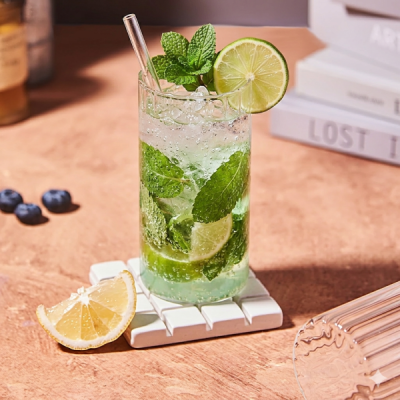
This is where most tables loosen up beautifully. You do not need six identical glasses. A run of ribbed tumblers next to a couple of stemmed pieces and a coloured one or two looks collected, not careless — as long as they share a weight and a mood.

Ribbed and textured glass is forgiving: it catches candlelight, hides water marks, and feels good in the hand. It's the single easiest upgrade to an ordinary table.

A Small Ritual

Pour the first drink in the kitchen

Hand everyone a glass before they sit down. It does two things: it slows the arrival, and it means the host isn't bolting up mid-conversation. Five quiet minutes by the counter is worth more than a perfectly folded napkin.

The five-minute reset before they arrive

  1. 1

    Clear the sightline

    Move anything tall off the centre of the table so people can see each other.

  2. 2

    Light early

    Candles lit before dusk look intentional; lit in the dark, they look like a rescue.

  3. 3

    Water down, wine open

    Both on the table, so the first ten minutes aren't about logistics.

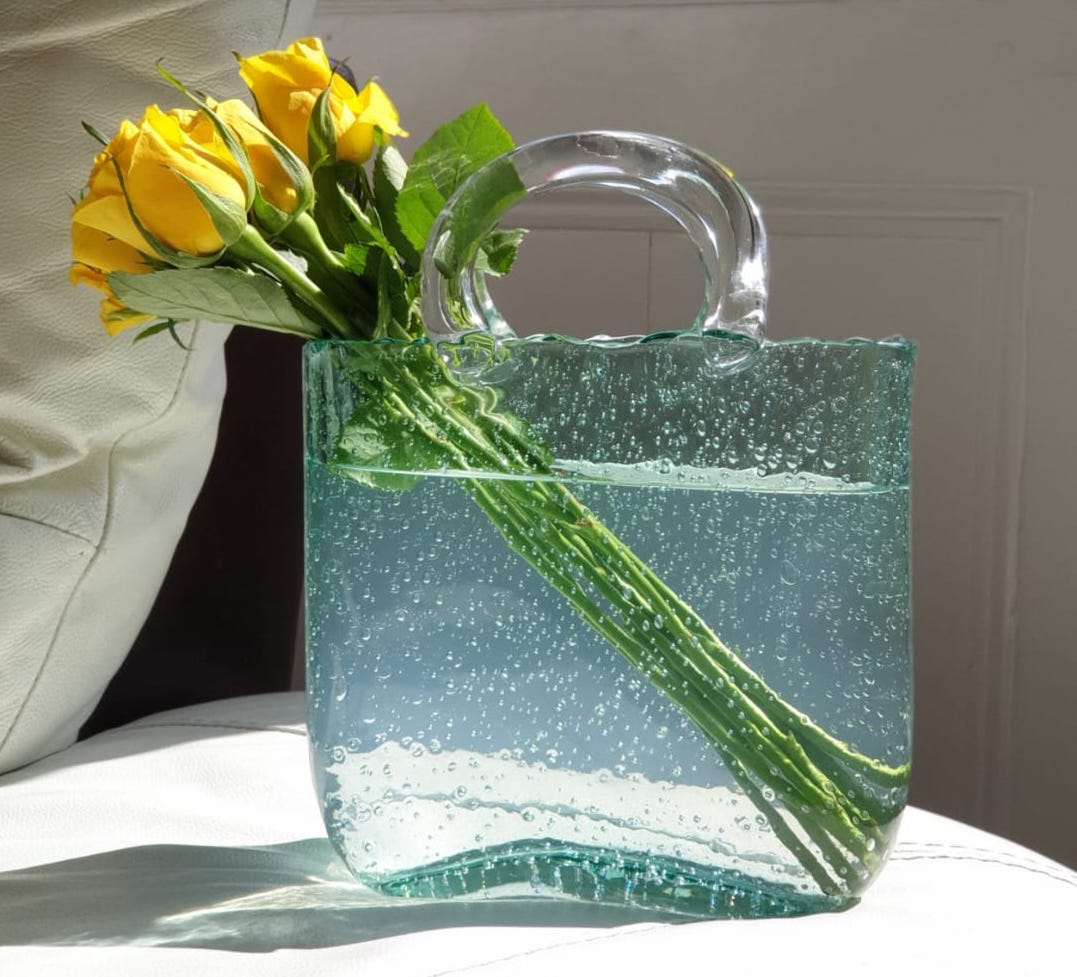
One low vessel, a few stems from the garden — a centrepiece nobody has to talk around.

One low vessel, a few stems from the garden — a centrepiece nobody has to talk around.

A little mismatched glass

This is where most tables loosen up beautifully. You do not need six identical glasses. A run of ribbed tumblers next to a couple of stemmed pieces and a coloured one or two looks collected, not careless — as long as they share a weight and a mood.

Ribbed and textured glass is forgiving: it catches candlelight, hides water marks, and feels good in the hand. It's the single easiest upgrade to an ordinary table.

M

Written by

Marlowe Reed

Marlowe writes about food, ritual and the small choices that make a home feel lived-in. She lays a very slow table.

More from the Journal

All Stories

What our customers say

4.8
Based on 3,420+ reviews